
Modern Resume Templates That Elevate Your Job Application
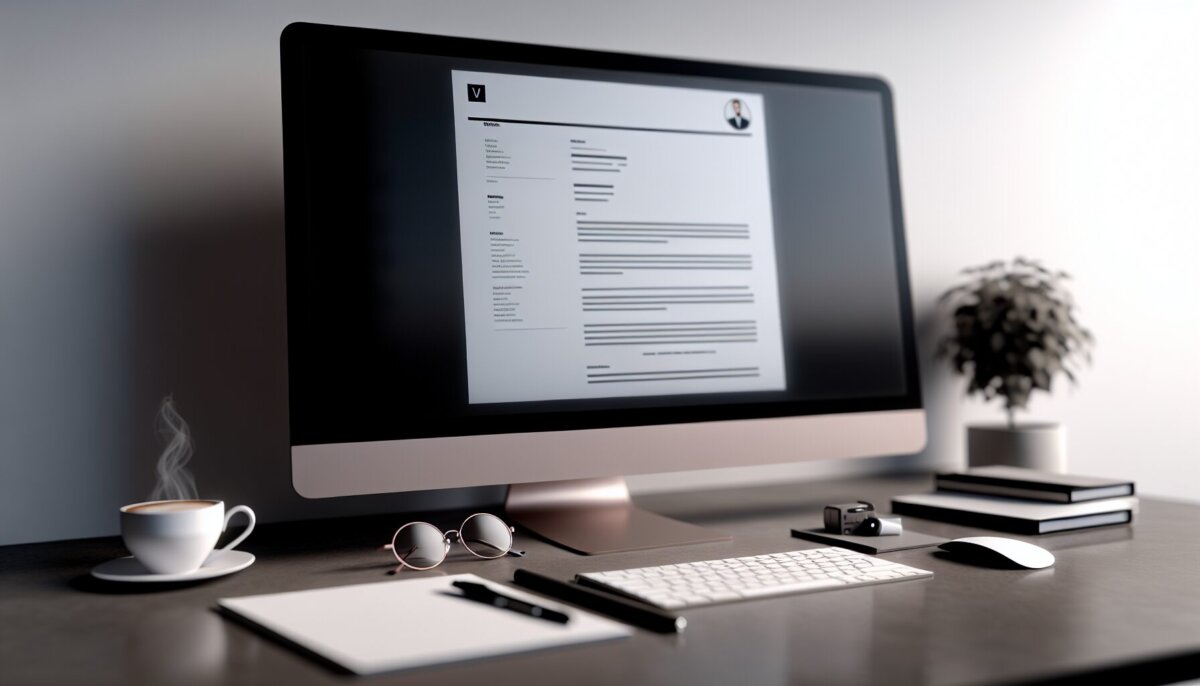
In today’s competitive job market, having a polished and professional resume is a crucial element of success. The resume serves as the primary marketing document that presents your background, skills, and accomplishments to potential employers. Traditionally, resumes were simple summaries of employment history and education, but modern resumes have evolved dramatically in both form and function. Modern resume templates are designed not only to communicate your qualifications clearly but also to catch the eye of hiring managers and navigate the complexities of digital application systems such as Applicant Tracking Systems (ATS). This article explores the significance of modern resume templates, their historical evolution, and how their design and content can be optimized to improve your job prospects.
The evolution of the resume began centuries ago but accelerated with technological advances over the last few decades. From the handwritten notes of the Renaissance to the typed, often lengthy documents of the 20th century, resumes have transformed into sleek, carefully curated documents optimized for quick scanning and impact. Today’s templates incorporate principles of visual hierarchy, typography, and whitespace to enhance readability and engagement while incorporating keywords and active language to pass automated screening software.
This article breaks down the essential aspects of modern resume templates: understanding their structure and design elements, selecting templates that fit your profession and personality, tailoring content for ATS compatibility, and leveraging digital tools to create dynamic resumes that can include multimedia elements or be shared online easily. We will also cover the latest trends in resume design, such as minimalism, use of color, and infographic resumes, as well as offer practical tips on customizing templates to make your resume unique and effective.
The Historical Evolution of Resumes and the Rise of Modern Templates
The resume, as a tool for job seekers, traces its origins back to the 15th century when Leonardo da Vinci reportedly drafted a letter to a potential employer summarizing his skills and experience. Early resumes were predominantly text-heavy, handwritten documents focusing on a straightforward listing of qualifications and work history without much concern for layout or design. These resumes served mainly as personal inventories rather than marketing tools.
With the industrial revolution and the rise of formalized job markets, resumes began to adopt a more structured format, emphasizing chronological work history and educational background. Still, the presentation remained minimalistic, restricted by the limitations of typewriters and photocopying technology. During the mid-20th century, as secretaries typed resumes for executives, templates began to appear in job search guides, offering standardized layouts to organize information clearly and efficiently.
The advent of personal computers and word processing in the 1980s revolutionized resume creation, enabling job seekers to experiment with fonts, styles, and structure. This period marked the birth of digital resume templates, which allowed tailored designs for different industries and roles. The emergence of the internet accelerated this evolution, making it easier to share and submit resumes electronically, pushing the demand for visually appealing and scannable documents compatible with Applicant Tracking Systems (ATS).
In the 21st century, platforms like LinkedIn transformed resumes from static documents into dynamic, interactive profiles viewed by recruiters worldwide. Meanwhile, online resume builders provide customizable templates with user-friendly interfaces, blending creativity with professionalism. They empower candidates to produce polished resumes quickly while adhering to best practices in layout and content presentation, reflecting changes in recruitment technology and candidate expectations. This digital shift signifies that modern resume templates are not just about listing qualifications but about crafting a compelling personal brand for today’s competitive job market.
Key Design Elements of Effective Modern Resume Templates
Effective modern resume templates are built on thoughtful design principles that enhance clarity and make crucial information easy to locate. The layout is fundamental; a clean, well-structured grid guides the reader’s eye naturally. This often means a two-column or single-column format where sections are clearly delineated without overcrowding. Consistency in alignment and spacing prevents visual clutter, helping recruiters scan quickly for relevant details.
Typography plays a vital role in setting a professional tone while maintaining readability. Modern resumes typically use sans-serif fonts for a clean, contemporary look, balancing headings with body text size for hierarchy. Using fonts like Helvetica, Calibri, or modern alternatives ensures your resume feels current without compromising formality. Proper use of bold and italics can highlight key points but should be sparing to avoid distraction.
Whitespace is a strategic tool in design; it prevents the resume from appearing dense and overwhelming. Adequate margins and spacing between sections increase legibility, emphasizing important content and giving the document a polished, breathable feel.
Color choices can subtly influence perception. In corporate or technical fields, muted tones and monochromatic palettes convey professionalism. Creative industries may benefit from tasteful accent colors to showcase personality and creativity, but it’s essential these choices never overpower the content or reduce clarity.
Sections should be arranged to suit the job role, prioritizing relevant experience or skills upfront. For instance, a minimalist design with clean lines typically suits finance or law roles, while more elaborate or infographic-style layouts might thrive in marketing or design fields. Balancing creativity with professionalism ensures that resumes resonate with industry expectations while standing out visually.
For an in-depth look into font choices that capture employer attention, explore this guide on the best fonts for resumes.
Optimizing Resume Content for Applicant Tracking Systems
Applicant Tracking Systems (ATS) have become a fundamental component of modern recruitment, serving as the first gatekeeper for many job applications. These systems scan and rank resumes based on relevance to the job description, making it essential for candidates to optimize their resumes for ATS compatibility. Modern resume templates play a crucial role in this optimization by balancing design aesthetics with machine readability.
To enhance ATS compatibility, it is imperative to use relevant keywords derived from the job posting. These keywords should be naturally integrated into the resume’s content, particularly in sections like skills, experience, and professional summary. Avoid keyword stuffing; instead, focus on precise terminology that reflects your expertise and aligns with the employer’s criteria.
Formatting choices also impact ATS parsing. Modern templates suited for ATS usually maintain simple, clean structures with standard fonts and straightforward headings. Complex elements like tables, graphics, and unusual fonts can confuse the ATS, leading to missing or misinterpreted information. Best practices include using standard section titles (e.g., “Work Experience,” “Education”), avoiding headers and footers for critical data, and saving files in ATS-friendly formats such as .docx or PDF without images.
Structuring content in a logical, hierarchical manner ensures that important information is both easily accessible to ATS algorithms and visually clear for recruiters. Bulleted lists for achievements and concise, quantifiable descriptions help highlight strengths effectively.
Tailoring each resume to the specific job description, while maintaining ATS and human readability, boosts the chances of passing automated filters without sacrificing appeal to hiring managers. Crafting this delicate balance is essential to modern resume success.
Customizing Templates to Reflect Your Personal Brand and Career Goals
Modern resume templates serve as versatile frameworks that can — and should — be customized to authentically reflect your personal brand and career aspirations. This customization begins with selecting a template style that aligns with your target industry, role, and seniority level.
For instance, creative professionals may opt for visually dynamic templates featuring color accents and unique layouts, whereas candidates applying to finance or legal sectors benefit from clean, minimalist designs that emphasize professionalism and clarity. Executives and senior managers often require formats that highlight leadership achievements and strategic impact, typically using a more formal, organized structure.
Integrating storytelling elements into your resume differentiates you from other applicants. Crafting a compelling career objective tailored to the specific role immediately signals your motivation and fit. Highlighting measurable achievements in a results-oriented language makes your contributions tangible. Incorporating a concise skills section that reflects both hard and soft skills relevant to the job helps in quickly establishing your expertise.
Adjusting templates for different formats is equally critical. When converting your resume to PDF, ensure that fonts and formatting remain consistent across devices, maintaining readability and professional appearance. For online portfolios, you can expand visual elements, embed links to work samples, or include multimedia to enrich storytelling. On LinkedIn profiles, translate resume content into concise summaries and bullet points optimized for the platform’s structure, reinforcing key skills and experiences while adapting to a more conversational tone.
Master these adaptations to create a cohesive personal brand across all formats, boosting your visibility and appeal in today’s competitive job market.
Emerging Trends and Future Directions in Resume Template Design
Emerging trends in resume template design leverage technology and creativity to create dynamic, engaging job applications that capture attention instantly. One significant development is the increasing use of infographics to visually communicate skills, achievements, and career progression. These graphic elements simplify complex information, allowing recruiters to grasp a candidate’s profile at a glance, especially in fast-paced hiring environments.
Interactive resumes are also gaining traction. By incorporating clickable elements, animating sections, or embedding links to portfolios and social media, job seekers can provide a richer experience that showcases their work beyond static text. Furthermore, video introductions attached or linked within resumes offer a personal touch, allowing candidates to demonstrate communication skills, enthusiasm, and professionalism in a format that’s increasingly preferred by hiring managers.
The rise of AI-driven personalization is transforming how resumes are created and optimized. Intelligent tools now tailor resume templates based on job descriptions, suggesting layout adjustments and keyword enhancements that align with applicant tracking systems (ATS). This ensures resumes not only look modern but also have a better chance of passing initial screenings.
Mobile-friendly templates are becoming essential as recruiters frequently review applications on smartphones or tablets. These designs prioritize readability and navigation on smaller screens without sacrificing style.
Looking ahead, resume templates will likely integrate even deeper with digital platforms, such as LinkedIn or job boards, enabling seamless updates and real-time analytics on recruiter engagement. As recruitment processes evolve toward video interviews and AI assessments, adaptable resumes will encourage candidates to stay current, blending creativity with cutting-edge technology for maximum impact.
Conclusions
Modern resume templates have revolutionized how job seekers present themselves in an increasingly competitive job market. By understanding the historical context, mastering design principles, optimizing content for ATS, and customizing templates to showcase personal brand, candidates can significantly improve their chances of landing their desired roles. Staying abreast of emerging trends and technological innovations will continue to be essential as recruitment practices evolve. Ultimately, a well-crafted modern resume acts not just as a record of achievements but as a compelling marketing tool tailored for success.
About the author


